
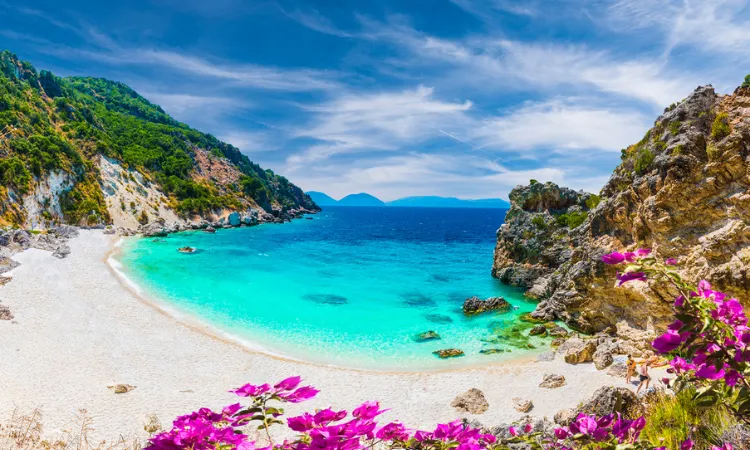

The allure of the coastline often brings to mind crowded boardwalks, towering high-rise hotels, and sprawling public sands packed with umbrellas. However, for those willing to venture beyond the typical tourist maps, a different kind of seaside experience awaits. Scattered across the globe are quiet coastal towns that serve as gateways to hidden beaches—secluded stretches of sand and pebble tucked away behind jagged cliffs, dense forests, or winding coastal trails. These locations offer a sense of discovery that popular resorts simply cannot replicate.
A hidden beach is more than just a place to swim; it is a sanctuary where the rhythm of the ocean remains undisturbed by commercial noise. To reach these spots, travelers often must trade paved roads for dirt paths or boat rides. The reward is a pristine environment where the water is clearer, the wildlife is more visible, and the connection to the natural world is profound. From the rugged shores of the Pacific Northwest to the sun-drenched coves of the Mediterranean, these coastal towns remain the well-kept secrets of the travel world.
The Rugged Elegance of Cannon Beach, Oregon
While Cannon Beach is a well-known destination in the United States, most visitors congregate around the iconic Haystack Rock. However, this artistic coastal town serves as a jumping-off point for some of the most dramatic hidden coves in the Pacific Northwest. Just a few miles north and south of the main town center lie secluded pockets of coastline that feel entirely removed from civilization.
The landscape here is defined by basalt sea stacks and temperate rainforests that meet the edge of the Pacific. To find the true hidden gems, one must explore the periphery of Ecola State Park. Here, the trails lead down to secret crescents of sand where the misty atmosphere creates a hauntingly beautiful scene. These spots are ideal for those who appreciate the raw power of the ocean and the solitude of a forest-fringed beach.
-
Indian Beach: Tucked away at the end of a winding park road, this cove is sheltered by high cliffs and offers excellent tide-pooling opportunities when the water recedes.
-
Crescent Beach: Accessible only by a rigorous hike through Sitka spruce forests, this beach remains empty even on busy summer weekends, offering a private view of the offshore monoliths.
-
Hug Point: Located south of town, this beach features a seasonal waterfall that drops directly onto the sand and a historic stagecoach road carved into the cliffside.
The Azure Secrets of Cassis, France
On the southern coast of France, tucked between the glamour of Marseille and the luxury of Saint-Tropez, lies the charming fishing port of Cassis. While the town itself is famous for its rose wine and harbor-side cafes, its true treasures are the Calanques. These are narrow, steep-walled inlets developed in limestone, dolomite, or other carbonate strata, creating narrow fjords filled with impossibly clear turquoise water.
The Calanques National Park is a protected wilderness area where vehicular traffic is strictly limited. To reach the hidden beaches at the base of these white limestone cliffs, one must either hike for several hours across rugged terrain or arrive by sea via kayak or small boat. The contrast between the stark white rock and the deep blue water makes these hidden beaches some of the most photogenic in the world.
-
Calanque d En Vau: Widely considered the most beautiful, this beach is located at the end of a long, deep inlet and is surrounded by sheer cliffs that attract rock climbers from around the globe.
-
Calanque de Port Pin: A more accessible but still secluded option, this cove is fringed with Aleppo pines that provide natural shade and fill the air with a sweet, resinous scent.
-
Calanque de Sugiton: Known for its small pebble beach and a distinct rock formation in the water that resembles a torpedo boat, this spot is a favorite for those seeking crystal-clear swimming conditions.
The Emerald Coves of Esperanza, Vieques
Vieques is a small island municipality of Puerto Rico that remained largely undeveloped for decades. The town of Esperanza, located on the southern coast, is a laid-back village with a Caribbean pace that feels like a step back in time. Esperanza serves as the gateway to the Vieques National Wildlife Refuge, which contains some of the most pristine and secluded beaches in the Western Hemisphere.
Because the island was formerly used by the military, large swaths of the coastline were off-limits to the public, preventing the construction of large hotels. Today, these areas are open to explorers who are willing to navigate unpaved, potholed roads. The beaches here are varied, ranging from brilliant white sands to volcanic black shores, all framed by tropical scrub and wild horses that roam the island freely.
-
Playa La Chiva (Blue Beach): A long stretch of sand with multiple small entry points tucked into the brush, allowing visitors to find their own private patch of emerald water.
-
Pata Prieta: A small, horseshoe-shaped cove that is often completely deserted, offering world-class snorkeling in shallow, calm waters.
-
Playa Negra: A stunning black sand beach reached by a short hike through a dry riverbed, where the dark magnetic sand sparkles against the golden cliffs.
The Untamed Beauty of Tofino, British Columbia
Tofino sits at the end of the road on the west coast of Vancouver Island, facing the open Pacific. It is a town of surfers, artists, and nature lovers, surrounded by the Clayoquot Sound Biosphere Reserve. While Long Beach is the primary draw, the area is honeycombed with hidden inlets and secret stretches of sand that are only revealed to those who look closely.
The beaches of Tofino are atmospheric, often shrouded in fog and lined with massive driftwood logs. The experience here is about the interconnectedness of the land and sea. Many of the most secluded spots are located on the small islands surrounding the town, requiring a water taxi or a vigorous paddle to reach.
-
Tonquin Beach: A short walk from the town center through a lush boardwalk trail, this beach is sheltered from the wind and offers a more intimate setting than the vast surfing beaches.
-
Vargas Island: A boat trip away, this island features expansive white sand beaches where the only footprints you are likely to see are those of the local wolves.
-
Chesterman Beach South: While the northern end is popular, the southern tip at low tide allows visitors to walk across a sandbar to Frank Island, discovering hidden tide pools along the way.
Navigating the Challenges of Seclusion
The very features that make these beaches “hidden” also present unique challenges. Secluded coastal areas often lack lifeguards, restrooms, and cell service. Travelers must adopt a self-sufficient mindset. This means packing out all trash, bringing ample water, and being acutely aware of tide schedules. In places like the Oregon coast or British Columbia, a rising tide can quickly cut off access to a cove, trapping hikers against the cliffs.
Furthermore, preserving the “hidden” status of these locations requires a commitment to responsible tourism. Over-tourism can quickly degrade the fragile ecosystems of these towns. By staying in local guesthouses, respecting wildlife boundaries, and adhering to Leave No Trace principles, visitors ensure that these stunning coastal sanctuaries remain pristine for future generations.
Frequently Asked Questions
What is the best way to find tide schedules for remote beaches?
Tide schedules can be found on official government meteorological websites or through specialized maritime apps. It is essential to check the specific station closest to the beach you are visiting, as tide times can vary significantly even within a few miles along a rugged coastline. Always plan to arrive at a hidden beach at least an hour before low tide to ensure the safest exploration window.
Are hidden beaches generally safe for solo travelers?
Hidden beaches are safe but require a higher level of situational awareness. Solo travelers should always inform someone at their lodging of their intended destination and expected return time. Because these areas often have no cell service, carrying a physical map and a basic first-aid kit is highly recommended.
Do I need a special vehicle to access beaches in Vieques or similar islands?
While some beaches are accessible by standard cars, many hidden gems in Vieques and other less-developed coastal areas require a four-wheel-drive vehicle due to deep sand, mud, or large rocks on the access roads. Renting a Jeep or a similar high-clearance vehicle is often the best way to ensure you don’t get stranded in a remote location.
Why is the water at hidden beaches often clearer than at public resort beaches?
Public beaches often suffer from increased turbidity caused by large numbers of people stirring up the sand and the presence of motorized watercraft. Hidden beaches, which see far fewer visitors and are often located in protected coves or areas with specific geological features like limestone, maintain a more settled and filtered water column, resulting in superior clarity.
How do I protect my gear from salt and sand at remote coastal spots?
Invest in a high-quality dry bag to protect electronics and clothing from salt spray and blowing sand. When visiting remote spots, it is also helpful to bring a small bottle of fresh water specifically for rinsing sand off your hands or gear before you get back into your vehicle.
What should I do if I encounter wildlife on a secluded beach?
The most important rule is to maintain a respectful distance. Whether it is a sea lion on the Oregon coast or a wild horse in Puerto Rico, these are undomesticated animals. Never offer food, as this can change their natural foraging behaviors and make them aggressive toward future visitors. Use a zoom lens for photos rather than approaching the animal.
Can I camp on hidden beaches?
Camping regulations vary wildly by region and country. In many national parks, like the Calanques in France, camping is strictly prohibited to protect the environment. In other areas, you may need a specific backcountry permit. Always research local laws and obtain necessary permissions before setting up a tent to avoid heavy fines and ecological damage.