

Travel photography is far more than just documenting the places you visit; it is an exercise in storytelling, patience, and perspective. A stunning travel photograph does not merely show a landmark; it evokes the atmosphere, the culture, and the emotion of a specific moment in time. Whether you are navigating the neon-lit streets of Tokyo, trekking through the silent peaks of the Andes, or capturing the weathered faces of artisans in a Moroccan souk, the goal is to translate a three-dimensional experience into a compelling two-dimensional image.
To move beyond simple snapshots, a photographer must develop a keen eye for detail and a deep understanding of how light interacts with the world. Technology has made it easier than ever to capture high-resolution images, but the soul of a great photograph lies in the creative choices made before the shutter is even pressed. By mastering composition, timing, and local engagement, you can transform your travel gallery into a professional portfolio that resonates with anyone who views it.
Mastering the Golden and Blue Hours
The quality of light is the single most important factor in photography. Many travelers make the mistake of shooting primarily during the middle of the day when the sun is at its zenith. While convenient, this results in harsh shadows, blown-out highlights, and flat colors. To achieve professional-grade shots, you must align your schedule with the rhythms of the sun.
The Golden Hour occurs during the first hour after sunrise and the last hour before sunset. During this time, the sun is low on the horizon, creating a soft, warm, and directional light that adds texture and depth to landscapes and architecture. Conversely, the Blue Hour—the period of twilight before sunrise or after sunset—offers a cool, ethereal glow. This is the ideal time for urban photography, as the deep blue of the sky provides a perfect contrast to the warm artificial lights of city buildings and streetlamps.
-
Plan Ahead: Use apps to track the exact minute of sunrise and sunset at your specific destination.
-
Arrive Early: Set up your gear at least thirty minutes before the light reaches its peak to scout angles.
-
Use a Tripod: Lower light levels during these hours require longer shutter speeds, making a stable base essential for sharpness.
Compositional Techniques for Visual Impact
Composition is the arrangement of elements within the frame. It is the language used to guide the viewer’s eye toward the subject. While the “Rule of Thirds” is the most common starting point—imagining a grid and placing your subject at the intersections—travel photography often benefits from more dynamic approaches.
Leading lines are particularly effective in travel settings. Use a winding mountain road, a row of ancient columns, or even the receding shoreline of a beach to draw the viewer into the image. Additionally, look for natural frames. Shooting through a stone archway, a canopy of tropical leaves, or a window frame creates a sense of depth and places the viewer directly into the scene.
-
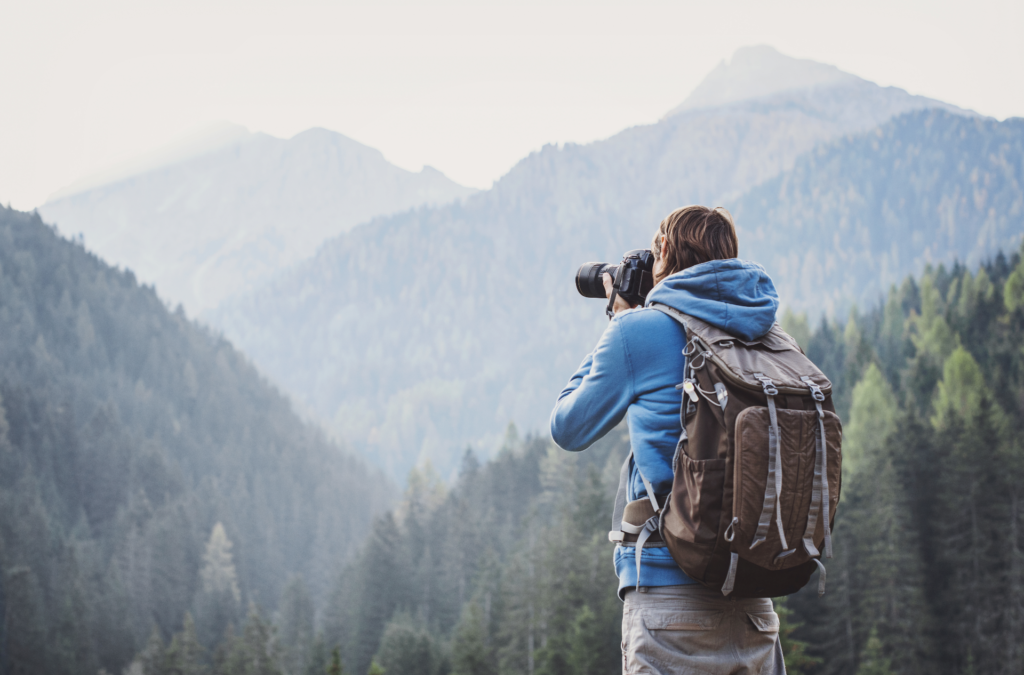
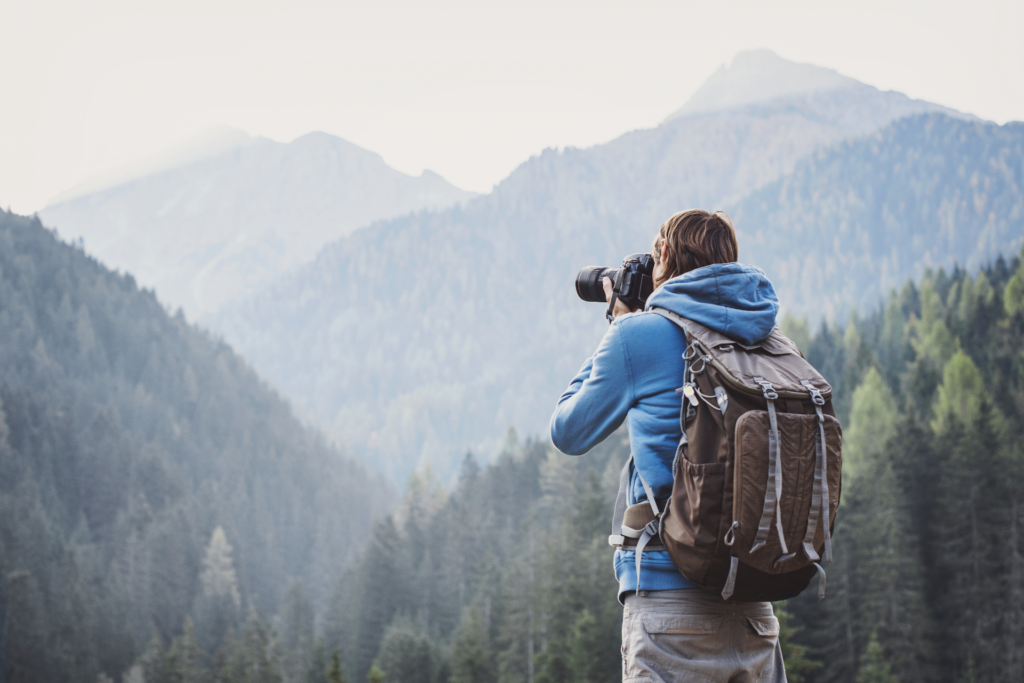
Scale and Perspective: Include a human element, like a lone hiker or a distant boat, to provide a sense of scale to massive natural features like canyons or glaciers.
-
Foreground Interest: Don’t leave the bottom third of your photo empty. Including a textured rock, a patch of wildflowers, or a patterned rug in the foreground creates a three-dimensional feel.
-
Symmetry and Patterns: Seek out the repetitive geometry of tiled floors in mosques or the symmetrical reflections in a still alpine lake to create a sense of order and harmony.
The Human Element: Ethical Portraiture
People are the heartbeat of any destination. Capturing the local population provides a cultural context that landscapes alone cannot offer. However, travel portraiture requires a high degree of empathy and ethical consideration. A great portrait is not taken; it is given through a moment of mutual respect.
Always ask for permission before photographing individuals. A simple smile and a gesture toward your camera are often enough, but learning the word for “please” or “may I” in the local language goes a long way. If someone declines, respect their privacy and move on. Engagement often leads to better photos; spending five minutes talking to a street vendor can result in a more relaxed, authentic expression than a candid shot taken from across the street with a zoom lens.
-
Focus on the Eyes: The eyes are the focal point of any portrait. Ensure they are sharp and carry a “catchlight” or reflection to bring life to the subject.
-
Candid vs. Posed: While posed shots are classic, try to capture people in their natural environment—working, laughing, or interacting with others—to tell a more complete story.
-
Environmental Portraits: Include the subject’s surroundings, such as their workshop or home, to provide insight into their daily life and occupation.
Gear Management and Technical Proficiency
While the best camera is the one you have with you, travel photography demands a balance between capability and portability. Carrying too much gear can lead to physical exhaustion and missed opportunities, while carrying too little can leave you frustrated in challenging conditions.
For most travelers, a versatile zoom lens (such as a 24-70mm) is the workhorse, covering everything from wide landscapes to intimate portraits. If you are a wildlife enthusiast, a dedicated telephoto lens is necessary, but for urban exploration, a small, fast prime lens (like a 35mm or 50mm) allows you to blend in and shoot in low-light environments without a flash. Understanding your camera’s manual settings—ISO, Aperture, and Shutter Speed—is vital. In travel, conditions change rapidly; you must be able to adjust your settings instinctively without fumbling through menus.
-
Protect Your Equipment: Use weather-sealed bags and carry a basic cleaning kit. Salt spray, desert dust, and tropical humidity are the enemies of digital sensors.
-
Backup Your Work: Never rely on a single memory card. Use multiple smaller cards and back up your images to a portable hard drive or cloud storage every evening.
-
Shoot in RAW: This format captures more data, giving you significantly more flexibility during the editing process to recover shadows or adjust white balance.
Finding the Unique Angle
Popular travel destinations are often “over-photographed.” You have likely seen thousands of identical shots of the Eiffel Tower or the Taj Mahal. The challenge for the travel photographer is to find a fresh perspective on a familiar subject.
Avoid the “tourist eye level.” Instead of standing at chest height, try getting very low to the ground to emphasize the foreground, or find an elevated vantage point to show the subject in relation to its environment. Explore the back alleys and side streets where the tourists don’t go. Often, the most compelling story isn’t the famous monument itself, but the way the local life flows around it.
Frequently Asked Questions
How can I take sharp photos in low light without a tripod?
If you don’t have a tripod, use the “human tripod” technique. Tuck your elbows tightly against your ribs, hold your breath, and lean against a stable object like a wall or a tree. Additionally, use a wider aperture (lower f-number) and increase your ISO. Modern cameras handle high ISOs quite well, and a slightly grainy sharp photo is always better than a blurry one.
Is it better to use a smartphone or a dedicated DSLR for travel?
Smartphones are excellent for convenience and social sharing, and their computational photography features are impressive. However, a dedicated camera with a larger sensor offers better dynamic range, superior low-light performance, and the ability to use specialized lenses. If your goal is large-scale prints or professional work, a DSLR or mirrorless camera is the superior choice.
How do I deal with large crowds when trying to photograph a famous landmark?
There are three main strategies. First, arrive at the site at the crack of dawn before the tour buses appear. Second, use a long exposure with a Neutral Density (ND) filter; this can “erase” moving people from the frame by blurring them into invisibility. Third, embrace the crowd. Use the people to show the scale and popularity of the location, or focus on tight details of the architecture that are above the heads of the visitors.
What are the best settings for capturing fast-moving subjects like wildlife or street scenes?
Use Shutter Priority mode or Manual mode and set your shutter speed to at least 1/500th of a second or faster. Use continuous autofocus (AF-C or AI Servo) so the camera keeps tracking the subject as it moves. Finally, use burst mode to take several frames in quick succession, increasing your chances of capturing the perfect moment of action.
How do I stay safe while carrying expensive camera gear in foreign cities?
Avoid using a camera bag that looks like a camera bag. Instead, use a padded insert inside a regular, nondescript backpack. Keep your camera strap around your neck or wrist at all times. When you are not shooting, put the camera away. It is also wise to insure your gear and keep a list of serial numbers in a separate location.
How much photo editing is considered too much?
Editing should enhance the reality of the scene, not replace it. Aim to correct the exposure, balance the colors, and sharpen the details to match what your eyes actually saw. Avoid over-saturating the colors or using heavy filters that make the image look artificial. The goal is to make the viewer feel like they are standing there with you, not looking at a digital painting.
How can I improve my “eye” for photography when I’m not traveling?
Practice “active seeing” in your own neighborhood. Treat your hometown like a tourist destination. Look for interesting light, unique shadows, and compelling human interactions in everyday places. The more you practice composing shots in mundane environments, the more natural it will feel when you are presented with spectacular landscapes abroad.