
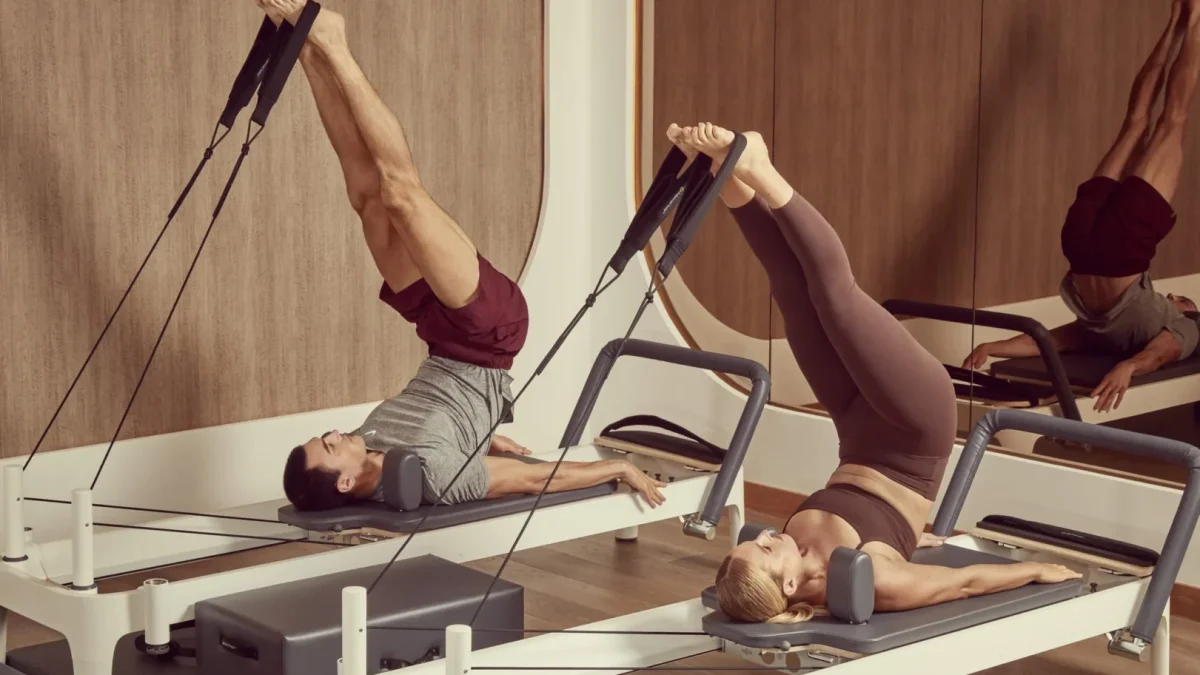

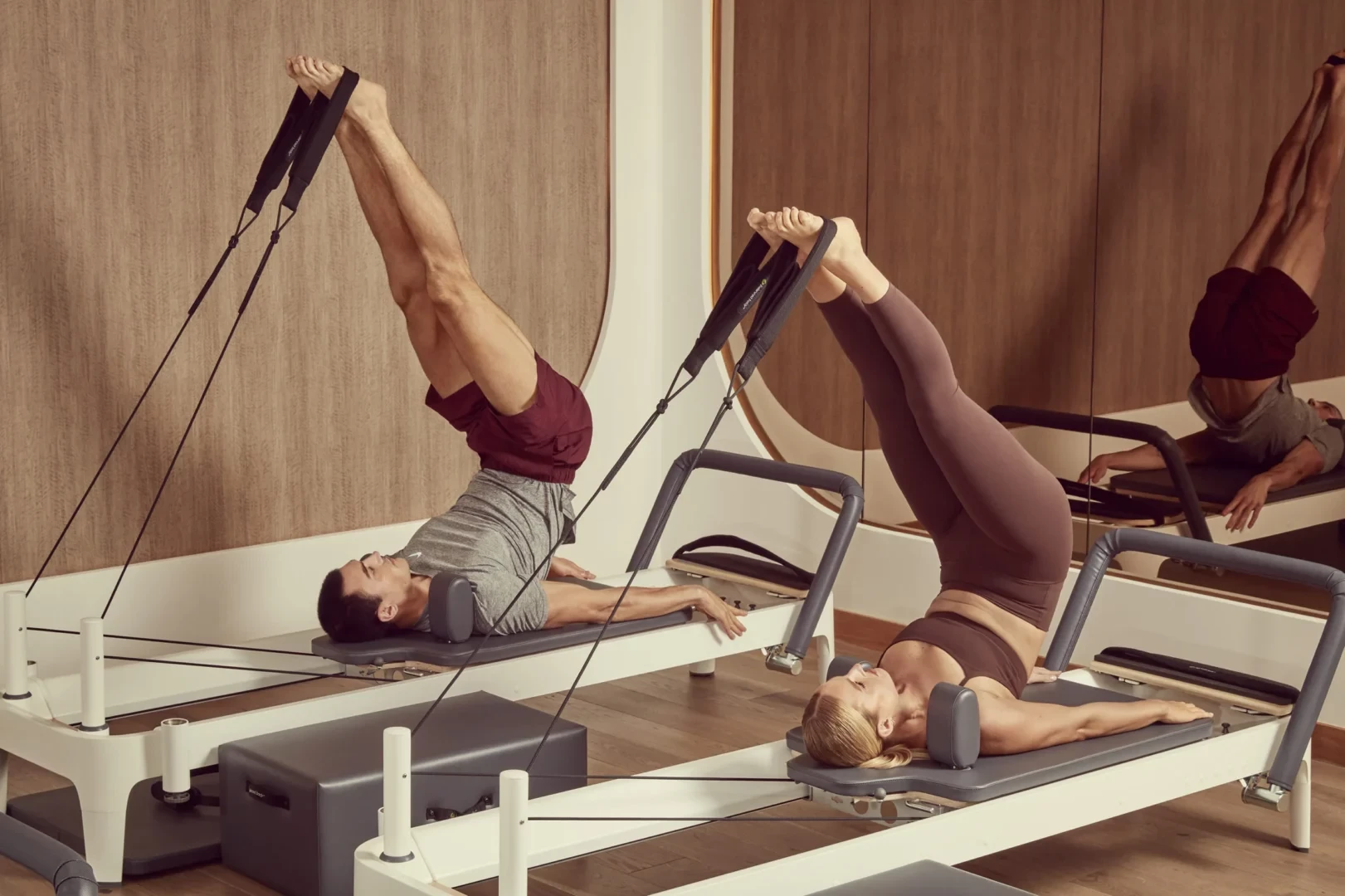
Travelling can disrupt even the most dedicated fitness routine. Between changing time zones, unpredictable hotel amenities, and tight schedules, staying consistent with workouts becomes difficult. Yet for those who practice the pilates reformer regularly, travel doesn’t have to mean losing progress. With a combination of portable options, creative adaptations, and mindful discipline, it’s possible to maintain strength, flexibility, and alignment wherever you go.
The Challenge of Staying Active While Travelling
Frequent travellers, whether for business or leisure, often face two key issues: lack of time and lack of equipment. Hotel gyms may not have reformer machines, and long flights can leave muscles tight and joints stiff. The result is a sense of fatigue that affects posture and mobility.
However, with some preparation and smart alternatives, maintaining your Reformer Pilates routine becomes achievable. The secret lies in adaptability rather than rigidity.
Why Reformer Pilates Fits a Traveller’s Lifestyle
Reformer Pilates is particularly suitable for travellers because it promotes balance, control, and mindfulness. Unlike high-intensity workouts that require heavy equipment or long recovery, reformer-inspired exercises can be done even in limited space.
It improves circulation after long flights, releases muscular tension from sitting, and keeps the body aligned. More importantly, the discipline of Pilates reinforces a calm, grounded mindset that offsets the stress of constant movement.
Portable Reformer Solutions for On-the-Go Workouts
The traditional reformer is large, but the modern market offers compact, travel-friendly options. These portable solutions replicate spring resistance and flexibility in a simplified format.
Smart Substitutes
-
Portable reformer boards: Lightweight and collapsible, perfect for hotel rooms.
-
Resistance bands: Mimic the spring tension of reformers for core and limb training.
-
Sliding discs or towels: Substitute for carriage movement during glute or leg sequences.
-
Foam rollers and Pilates rings: Excellent for stretching and alignment work after flights.
These tools make it possible to maintain a structured workout plan without needing a full reformer studio.
Structuring a Travel Routine That Works
Consistency matters more than duration. Instead of long sessions, aim for quick, 20–30-minute workouts tailored to your travel schedule. Morning routines improve alertness and prevent stiffness, while evening sessions help the body unwind from long days.
Example Routine for Travellers
-
Spinal mobility warm-up (5 min): Cat-cow movements and gentle twists to activate the spine.
-
Core engagement (10 min): Resistance band roll-downs and leg stretches.
-
Lower body activation (10 min): Bridge lifts with bands, side-lying leg presses using towels for resistance.
-
Cool down (5 min): Seated hamstring stretch and shoulder rolls.
Even if performed three times a week, such routines keep muscles active and joints supple, maintaining reformer strength between formal sessions.
Using Hotel Spaces Creatively
Hotel rooms and lobbies can double as mini studios with a bit of creativity. Clear a small space, ideally near a wall or bed edge for balance support. Use rolled-up towels or yoga mats for cushioning.
Many high-end hotels in Singapore and abroad are also beginning to include Pilates-friendly setups in their wellness suites. Checking in advance helps travellers plan their workouts better and choose accommodation that supports their lifestyle.
Technology as a Travel Companion
Travelling no longer means disconnecting from professional instruction. Modern apps and virtual studios make it easy to follow guided reformer or mat-based workouts anywhere.
Useful Tools for Travelling Practitioners
-
Pilates streaming apps: Offer short routines customised for different energy levels.
-
Smart resistance systems: Compact devices track resistance load and progress via Bluetooth.
-
Wearable posture trainers: Help maintain alignment even during long meetings or flights.
Tech integration ensures you stay accountable and maintain correct form, even without an instructor physically present.
Managing Body Stress During Flights
Long-haul flights are notorious for stiffness and circulation issues. Simple Pilates-inspired stretches can mitigate this.
In-Flight Mini Routine
-
Seated leg extensions to engage quads and hamstrings.
-
Shoulder rolls and arm reaches to release tension.
-
Core tightening with gentle breathing for abdominal activation.
-
Ankle circles and calf raises to boost blood flow.
Performing these discreet movements every hour keeps joints lubricated and prevents swelling, making post-flight workouts smoother.
Nutrition and Hydration Tips While Travelling
Physical activity loses its impact if not supported by mindful eating and hydration. While travelling:
-
Drink water consistently, avoiding excessive caffeine or alcohol.
-
Choose anti-inflammatory foods such as berries, nuts, and leafy greens.
-
Keep healthy snacks like protein bars or fruit to avoid skipped meals.
-
Avoid heavy meals before evening Pilates sessions to improve comfort and focus.
Balanced nutrition sustains energy levels, helping maintain consistent Reformer Pilates performance abroad.
Mindset: The Most Powerful Travel Tool
The biggest barrier to staying consistent is often mental, not logistical. Many travellers struggle to switch from “vacation mode” or “work-travel stress” to workout focus. The key lies in reframing fitness as a grounding ritual rather than an obligation.
Think of Pilates as a brief moment of stability within an unpredictable schedule. Even ten mindful minutes of movement can improve mood, posture, and sleep quality, making the trip more enjoyable overall.
Returning Home Stronger
Instead of losing progress, travellers who stay committed often return home with improved mobility and renewed focus. The variety of environments encourages body awareness and adaptability, while short routines prevent regression.
Those who travel frequently for business often notice improved productivity as well, since better posture and reduced stiffness translate to higher energy and sharper mental clarity.
Studios like Yoga Edition in Singapore continue to support travelling clients through flexible memberships and digital access options. Members can seamlessly resume reformer classes after their trip without struggling to rebuild strength or coordination.
FAQ
Q. How can I practice Reformer Pilates without access to a machine while travelling?
You can use resistance bands, portable reformer boards, or mat-based variations that replicate spring tension. These offer similar engagement and flexibility benefits.
Q. What’s the minimum frequency needed to maintain progress while away?
Three short sessions per week are sufficient to sustain muscle memory and joint stability during travel.
Q. Can I bring a portable reformer on flights?
Yes, some lightweight reformers are designed for easy travel. Check airline policies for size and weight restrictions before packing.
Q. Are there apps that guide Reformer Pilates routines?
Several fitness platforms now offer guided Reformer or mat-based Pilates sessions suitable for small spaces, with audio and visual cues.
Q. How do I deal with jet lag affecting workout motivation?
Start with gentle stretches or light breathing exercises to restore energy. Once the body adapts, resume your full travel routine gradually.